
Employers often attempt to exploit the power imbalance between themselves and their employees by requiring them to sign restrictive non-compete and non-solicitation agreements. These agreements can have devastating effects on an employee’s career, limiting their ability to work in their chosen field even after leaving a job. The right to pursue one’s profession freely is a cornerstone of a fair and competitive workforce.
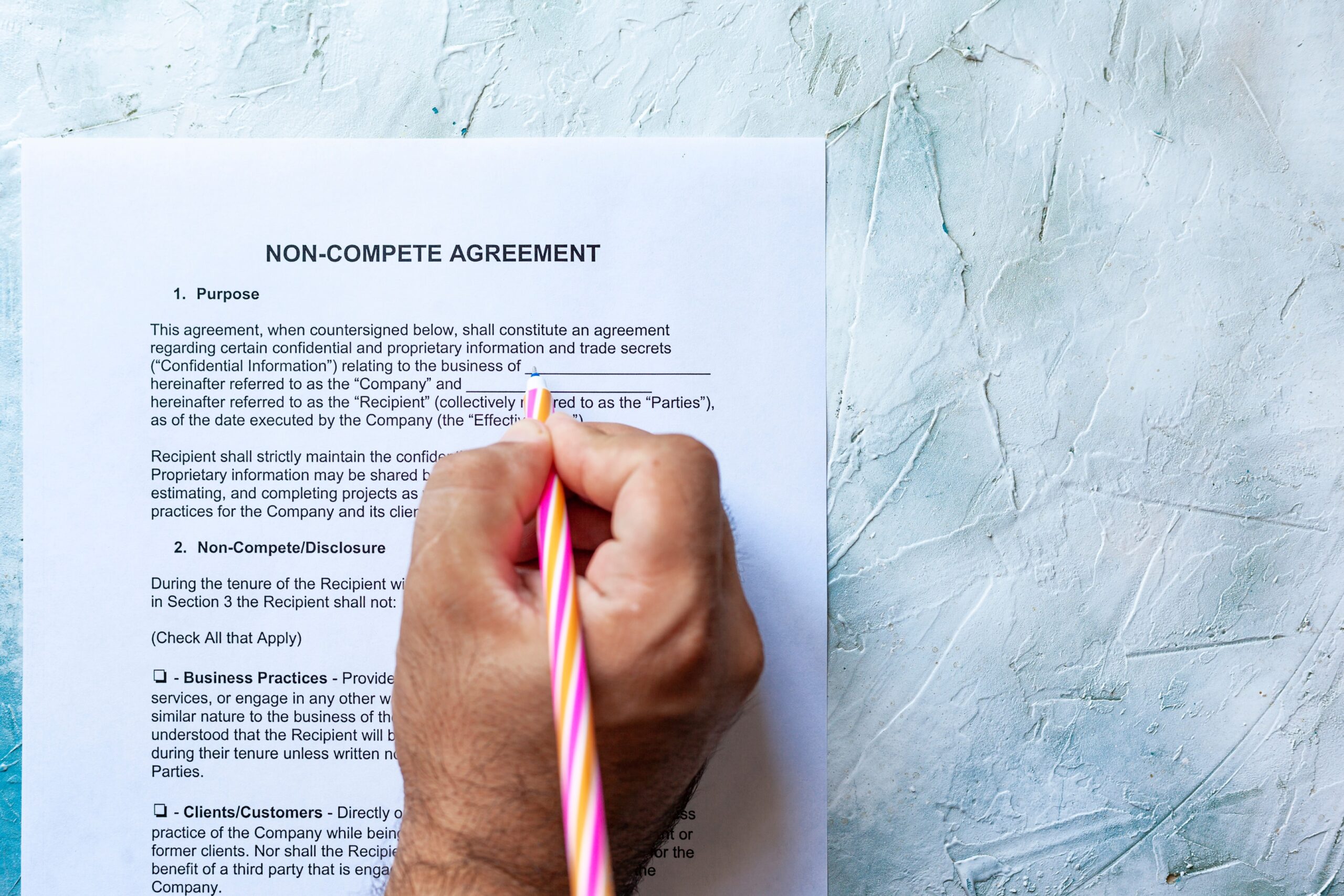
At Levine & Blit, our New York employment attorneys once again shifted the balance of power back to where it belongs — in the hands of the employee. In Advanced Dermatology, P.C. v. Friedman (Index No. 615371/2024), Advanced Dermatology sought to restrict the post-employment opportunities of our client, Lori Friedman, a highly skilled and dedicated Physician Assistant.
Ms. Friedman stood her ground, and Levine & Blit vigorously defended her right to continue her career without unlawful restraint. After a successful motion to dismiss reduced the employer’s six claims down to one, Levine & Blit continued to aggressively litigate the case until Advanced Dermatology withdrew its final claim with prejudice, a complete victory for our client.
Thanks to this outcome, Ms. Friedman is now free to continue practicing her profession, reaffirming the principle that employees have the right to pursue their livelihood without undue interference.
If you’re facing an unfair non-compete agreement or need guidance on employment contract disputes, the New York employment attorneys at Levine & Blit are here to protect your rights and your career.
👉Also Read: Severance Negotiations and Non-Compete Clauses: Guidance from a Severance Lawyer in Westchester, NY
What is the Nature of Non-Compete Agreements?
Non-compete agreements are contracts designed to restrict an employee’s ability to work for a competitor or start a similar business after leaving an employer. They typically outline a specific period of time and geographic region during which the employee is prohibited from engaging in certain professional activities.
While employers claim these agreements protect trade secrets and client relationships, the reality is generally more one-sided. Many employers use non-competes as a control mechanism or a way to discourage employees from seeking better opportunities or negotiating for fair pay.
In many cases, these agreements extend far beyond what is necessary to protect legitimate business interests. They can prevent talented professionals from earning a living, even in roles that do not directly compete with their former employer.
How Non-Compete Clauses Affect Employees
For employees, signing a non-compete can feel like a formality during hiring, but its impact becomes clear only later when they try to move on.
Common effects include:
- Career stagnation: Employees may be forced to remain in jobs they have outgrown simply because leaving would mean sitting out of their industry.
- Financial hardship: A lengthy restriction can mean months or even years without income in one’s chosen field.
- Loss of professional identity: Being unable to work in the field you trained for can damage confidence and reputation.
- Unequal bargaining power: Employers usually have the resources to enforce these agreements, while employees must bear the cost of defending themselves.
This imbalance is precisely what Levine & Blit seek to correct in every case we take.
👉Also Read: How a Severance Agreement Lawyer in Westchester, NY Can Help If Your Employer Changes Your Severance Package
The Legal Landscape: New York’s Approach to Non-Compete Agreements
New York law does not ban noncompete agreements outright, but it subjects them to strict scrutiny. Courts evaluate whether such agreements are reasonable in scope, duration, and purpose.
To be enforceable under New York law, a non-compete must:
- Protect legitimate business interests, such as trade secrets or confidential information.
- Be reasonable in time and geography.
- Not impose an undue hardship on the employee.
- Not harm the public interest.
If an agreement fails any of these tests, courts may declare it unenforceable.
Based on this, the key challenge is that most employees do not know these limits. They assume that if they signed a non-compete, they’re legally bound no matter what. In reality, many such agreements are overly broad, vague, or coercive, and therefore can’t hold up in court.
This was also the issue in Advanced Dermatology v. Friedman.
The Case: Advanced Dermatology v. Friedman
In this case, Ms. Friedman, a Physician Assistant, had devoted years of service to her employer. Like many healthcare professionals, she had signed an employment contract that included restrictive covenants. When she decided to leave and continue her practice elsewhere, her former employer attempted to stop her, claiming her new role violated the non-compete.
Rather than yielding to intimidation, Ms. Friedman reached out to Levine & Blit, a firm known for its steadfast commitment to employee rights.
After examining the agreement, our NYC employment lawyers determined that the restrictions were unreasonably broad and punitive, designed more to stifle competition than to protect any legitimate business interest.
We filed a motion to dismiss, arguing that the claims lacked merit under established New York precedent. The court agreed, dismissing five of the six claims immediately. The employer’s final remaining claim was later withdrawn with prejudice, which means it can never be refiled.
The result wasn’t only a victory for Ms. Friedman but also a reaffirmation of the principle that employees cannot be unlawfully restrained from pursuing their careers.
Why This Victory Matters
This case underscores several important lessons for workers across industries:
- You have rights even after signing a non-compete. The enforceability of these agreements depends on context, reasonableness, and public policy — not just your signature.
- Employers must justify their restrictions. They can’t impose blanket bans on employment simply to reduce competition.
- Legal representation matters. Without experienced employment counsel, employees risk surrendering their livelihoods to unenforceable contracts.
For Levine & Blit, this victory is one of many that showcase our determination to stand up for individuals who face unfair workplace restrictions.
👉Also Read: Fired After Giving Notice in Westchester, NY: Can You Claim Wrongful Termination?
How Our New York Employment Lawyers Build a Strong Non-Compete Defense
Every case is different, but our approach follows a consistent and proven structure:
1. Comprehensive Contract Review
We start by dissecting every clause of the employment agreement, and not just the non-compete. Many agreements also contain non-solicitation, confidentiality, or liquidated damages provisions that can impact a case. Our goal is to understand the full legal landscape before taking action.
2. Assessing Employer Motives
Not all enforcement attempts are legitimate. Some employers act out of retaliation, ego, or fear of losing clients. We identify the real motivation behind their actions, which can be critical in shaping our defense strategy.
3. Evaluating Reasonableness
We measure the scope, geography, and duration of the restriction against what New York courts have previously found acceptable. A clause preventing a healthcare provider from practicing within 50 miles for two years, for instance, is almost always unreasonable.
4. Building a Strong Legal Argument
We use New York case law to demonstrate that the restriction fails the reasonableness test or violates public policy. Our New York employment attorneys cite prior rulings and statutory standards that protect employees from excessive restraints.
5. Negotiating from a Position of Strength
In many cases, we can resolve disputes before they escalate into full litigation. By showing the employer that their claim lacks merit, we often achieve early settlements, dismissals, or modifications of restrictive terms.
6. Litigating When Necessary
If the employer refuses to relent, Levine & Blit is fully prepared to go to court. Our New York employment law attorneys have extensive experience litigating employment contract disputes, and we are known for our strategic, aggressive representation.
What Employees Should Know Before Signing a Non-Compete
Prevention is always better than cure. Many employees feel pressured to sign whatever is placed in front of them during onboarding, but that can be a costly mistake. Here are key points to consider before you sign any restrictive covenant:
- Ask for clarity: Understand the exact duration, geographic scope, and prohibited activities.
- Request modifications: It’s perfectly acceptable to negotiate narrower language before signing.
- Consider the industry norm: Some fields, like technology or healthcare, have specific rules or customs that affect enforcement.
- Consult an attorney: Even a brief consultation can save you years of limitation or potential litigation.
At Levine & Blit, we help clients review employment contracts before signing, and not just after disputes arise.
Non-Compete Enforceability Under New York Law
In New York, non-compete agreements are not automatically enforceable. Courts view them skeptically because they restrict an individual’s right to earn a living. Pertaining to this, these agreements can be enforced if they meet specific legal standards designed to balance the interests of both the employer and the employee.
To be valid, a non-compete must protect a legitimate business interest, such as trade secrets, confidential client information, or specialized training provided by the employer. Simply wanting to avoid competition is not enough. The restriction must also be reasonable in scope, meaning it should not cover too wide a geographic area or last longer than necessary to protect those interests.
The Reasonableness Test
New York courts apply what’s known as the reasonableness test to determine whether a non-compete should stand. A clause will generally be considered enforceable only if it:
- Is no broader than necessary to protect the employer’s legitimate interests.
- Does not impose undue hardship on the employee.
- Does not harm the public interest.
For example, a one-year restriction preventing a sales executive from contacting specific clients may be upheld, but a three-year ban from working anywhere in the state would likely be struck down.
Public Policy and Practical Realities
Ultimately, New York courts aim to prevent unfair labor practices that restrict competition or harm workers. Even when parts of a non-compete are unreasonable, judges can modify or “blue-pencil” the agreement to make it fairer.
If you are unsure whether your non-compete is enforceable or believe it is overly restrictive, it is prudent to consult with our experienced employment lawyers in New York at Levine & Blit. Our legal team can evaluate the terms, explain your rights, and help you determine the best path forward.
The Future of Non-Compete Agreements
There’s growing recognition nationwide that non-competes often do more harm than good. Legislators and regulators, including the Federal Trade Commission (FTC), have proposed restrictions or outright bans on non-competes for most workers.
Several states have already taken action, limiting or prohibiting these agreements for employees below certain income levels or in specific industries. While New York has not yet enacted a full ban, momentum is building toward reform.
At Levine & Blit, we stay at the forefront of these developments. Our attorneys monitor every change in state and federal law, ensuring our clients always receive the most current, strategic advice possible.
The Human Side of Non-Compete Battles
Behind every non-compete dispute is a person who simply wants to continue their career, provide for their family, and pursue meaningful work.
Ms. Friedman’s story is not unique. Across New York, employees from nurses to financial analysts to engineers face similar challenges. What makes these cases particularly unjust is that the very skill and dedication that made an employee valuable can later be used as a weapon against them when they seek a new opportunity.
At Levine & Blit, we never lose sight of that human element. We don’t see clients as case files. We see them as professionals fighting for their future, and we leave no stone unturned to help them achieve their desired objectives.
Beyond Non-Competes: Protecting Employees in Every Workplace Matter
While non-compete litigation is a significant part of our practice, Levine & Blit’s employment law team handles a broad spectrum of workplace issues. We represent employees in cases involving:
- Wrongful termination
- Workplace discrimination based on gender, age, race, national origin, or sexual orientation
- Retaliation for reporting misconduct or asserting rights
- Sexual harassment and hostile work environments
- Breach of employment agreements and unpaid wages or benefits
Our experience across these areas gives us a holistic understanding of employment relationships and helps us recognize when a non-compete dispute overlaps with other unlawful conduct.
Why Choose Our Non-Compete Agreement Attorneys
What sets Levine & Blit apart is not just our legal skill, but our philosophy. We believe that every worker deserves fair treatment and the freedom to pursue their chosen career without intimidation.
When you work with our firm, you can expect:
- Personalized strategy: Every client’s situation is unique, and we tailor our approach accordingly.
- Direct attorney access: When we represent you, you’ll never be shuffled between junior associates.
- Clear communication: We explain every step in plain language, empowering you to make informed decisions.
- Aggressive advocacy: We’re not afraid to take on powerful companies or litigate complex cases in court.
Our track record speaks for itself. We’ve achieved numerous successful settlements, dismissals, and trial victories on behalf of employees throughout New York.
👉Also Read: How to Challenge Your Layoff and Secure the Best Severance in Westchester, NY
Our NYC Non-Compete Agreement Lawyers are Ready to Fight for You
Non-compete agreements may appear intimidating, but they are far from unbeatable. With the right legal team, employees can challenge and overturn unreasonable restrictions that threaten their livelihood. The case of Advanced Dermatology v. Friedman is a powerful reminder that justice is possible when you have experienced, dedicated attorneys in your corner.
If you’re being threatened with the enforcement of a non-compete or have concerns about a clause in your employment contract, do not face it alone. Levine & Blit can help you evaluate your options and aggressively fight for your professional freedom. Call us at 646-461-6838 or contact us online to set up a confidential consultation.
Frequently Asked Questions
Do I have to sign a non-compete?
No, you are not automatically required to sign a non-compete agreement in New York. However, refusing to sign may affect your job offer or current position. It’s important to review the terms carefully, understand your rights under New York law, and consider consulting a New York employment lawyer before signing to protect your future opportunities.
What can I expect during a consultation with a New York non-compete attorney?
During a consultation with a New York non-compete attorney, you can expect a thorough review of your agreement, a discussion of your employment situation, and an assessment of your rights and options under New York law. The attorney will explain potential risks, advise on strategies to protect your career, and outline how they can assist you in negotiating, modifying, or challenging the non-compete if necessary. The goal is to give you clarity and a plan tailored to your circumstances.